How We Worked With Lorain County Community College to Jumpstart Their Archives
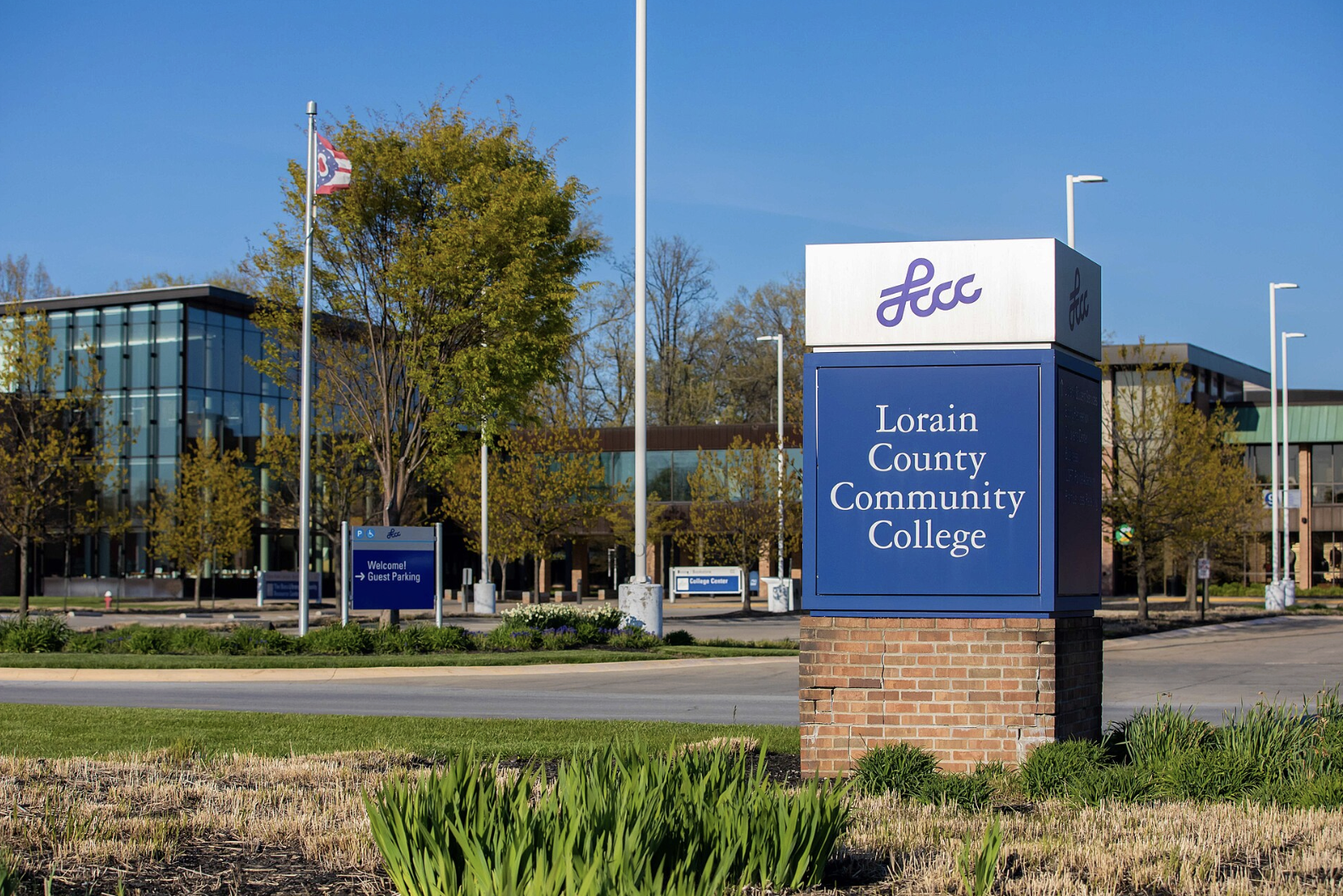
Lorain County Community College (LCCC) campus in Elyria, Ohio.
Introduction
Client
Lorain County Community College
Industry
Higher Education
Services
Archives
Lorain County Community College (LCCC) is a public community college in Elyria, Ohio that provides education and workforce training opportunities.
Founded in 1963, the college offers associate degrees, applied bachelor’s degrees in microelectronic manufacturing and smart industrial automated systems engineering technology, workforce training, and partnerships with Ohio universities and colleges where students can earn bachelor’s or master’s degrees. To learn more, visit www.lorainccc.edu.
The Barbara and Mike Bass Library/Community Resource Center at LCCC partnered with us to develop a long-term strategy for the College's archives, which document the development of LCCC over time, from the technical school that preceded it in the 1930s to the evolution of its courses and programs.
When the Library first contacted us, the archives was underutilized and had limited access. It also lacked systems and infrastructure needed to support its long-term success, including clear policies and procedures, and defined roles and responsibilities for ongoing management of the materials. Despite these challenges, the archives played a crucial role in preserving the history of the College and had significant potential to enhance the experience of students, staff, and the LCCC community.
To learn more about the LCCC & Collegian Library Archives, visit libguides.lorainccc.edu/archives.
Primary Goal
Lorain County Community College wanted a strategy to make better use of the College’s records and history while providing a sustainable way to care for their archival collections over time. The goal was to create a plan that enhances the archives, documents its scope and contents, supports the College’s mission, and provides practical guidance for future improvements.
Work
Our work focused on working with the materials and understanding the archives’ current functions and future potential, including:
What does it contain? What condition is it in?
How is it serving LCCC? How is it not?
What work has been done on the archives?
How are roles and responsibilities understood?
Is it integrated with records management?
We spent multiple days onsite reviewing the contents and condition of the archives. We inspected the materials, evaluated their current arrangement, and gathered crucial contextual data. While onsite, we also completed pre-processing work for unprocessed materials. As a result, we created high-level, working inventories of all materials and drafted a suggested Collections Policy to guide future decision making (i.e., what materials to collect and preserve).
In addition, we carefully reviewed a collection of photographs that had recently been transferred to the archives. Preserving the original order as much as possible to maintain context, we consolidated the items, labeled the boxes, created an accession record, and developed a processing plan.
After the onsite assessment, we conducted interviews with key individuals to gather valuable information about their needs, goals, challenges, and big-picture dreams for the archives. This included discussions about information governance and records management at the College to determine the scope, roles, and responsibilities of the archives.
After completing the assessment, we used qualitative analysis on the data we gathered to generate our 38-page report, which contained insights, recommendations, and an actionable strategy for the archives. The report:
delivered a clear, practical overview and evaluation of the archives
thoroughly documented its existing condition and quantity
highlighted the archives’ value and potential for positive impact, including key functions
delivered actionable recommendations
provided a strategy for improvements
offered resources and knowledge to empower their archival work, including training opportunities
supplied a suggested collections policy, sample accession record and workflow, and sample processing plan
The report provided a solid foundation for developing the archives, guiding strategic planning, supporting grant writing, and strengthening information management across the College. It was designed to be a practical resource for immediate work and future planning.
Results
Through our work, we brought together teams from across LCCC and identified clear, actionable next steps. One of the most significant outcomes was increased visibility for the archives, particularly among key partners and members of leadership. That greater awareness helped secure new resources to support essential needs, including archival training.
LCCC has also made important progress in strengthening its long-term approach to managing the archives. The College has begun developing archival policies and procedures and is defining roles and responsibilities, including positions to oversee the archives. These changes are helping establish systems needed to support the archives on an ongoing basis and make the materials easier to access.
While there is still work ahead, this project created meaningful momentum. By strengthening partnerships, increasing leadership support, and building systems to guide future work, LCCC is positioned to care for and grow the archives as a lasting community asset. Continued investment will ensure that the archives is a vibrant, well-managed resource that advances the the College's mission and serves the LCCC community for years to come.
Conclusion
At Bright Archives, we often say, "A functional archive depends as much on strong policies as it does on well-managed materials." This project reinforced why we believe so strongly in that approach.
One of the biggest lessons from this work is that successful archival work is about more than collecting and preserving records of enduring value. Long-term success depends on building the systems that allow archives to thrive.
For this project, two priorities stood out:
Developing clear policies and procedures to guide archives management
Building awareness, advocacy, and partnerships to support ongoing stewardship of the College’s history
By focusing on these foundations—not just the records, files, and objects—we helped LCCC begin building the infrastructure needed to care for and improve its archives over time.
It was a pleasure collaborating with the team at the Barbara and Mike Bass Library/Community Resource Center, and we look forward to seeing its archival program continue to grow in the years ahead.
Do you have an archive that needs some attention?
A well-planned archive can have a lasting, positive impact on an organization, but it can be difficult to see that potential when you're faced with piles of disorganized documents or scattered digital files. We're happy to answer your questions and help you make the most of your valuable history.