How We Worked With the Nelson-Atkins Museum of Art on Oral History
We supported a Nelson-Atkins Museum of Art oral history initiative documenting the historical lived experiences and perceptions of the museum.
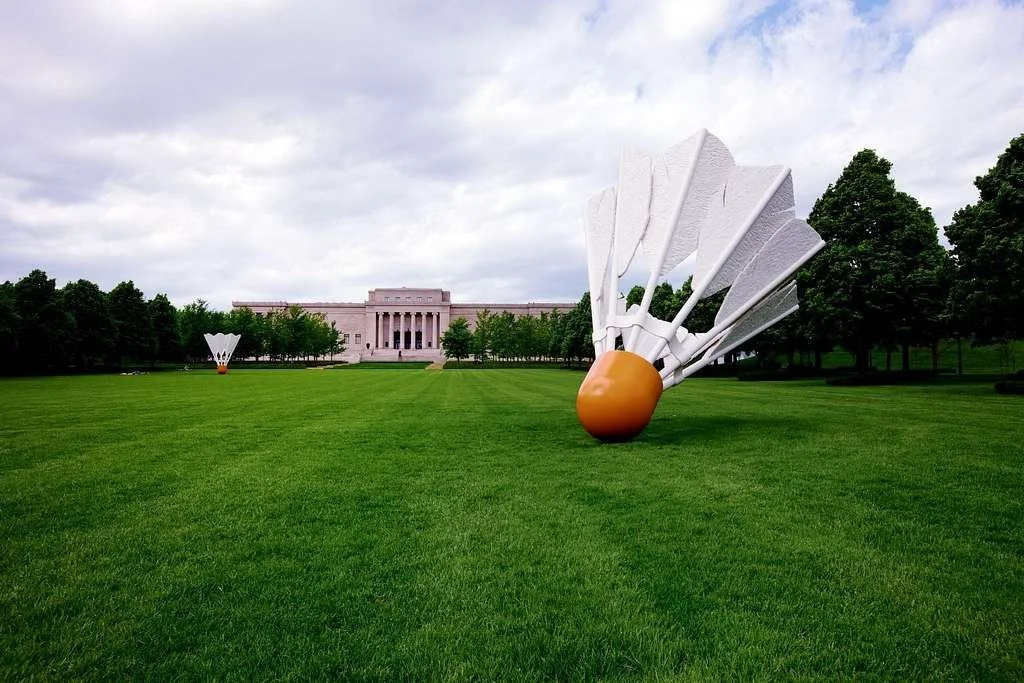
The Nelson-Atkins Museum of Art. Carol M. Highsmith's America, Library of Congress, Prints and Photographs Division.
Introduction
Client
Nelson-Atkins Museum of Art
Industry
Nonprofits and Arts
Services
Oral History
The Nelson-Atkins Museum of Art is a premier art museum with a collection spanning over 5,000 years and 40,000 works of art.
The Nelson-Atkins Museum of Art is known for its rich collection of artworks from around the world, its innovative programming and exhibitions, its playful sculpture garden, and the architecture of its Bloch Building, a modern addition on the museum emphasizing space and natural light. To learn more, visit https://nelson-atkins.org/.
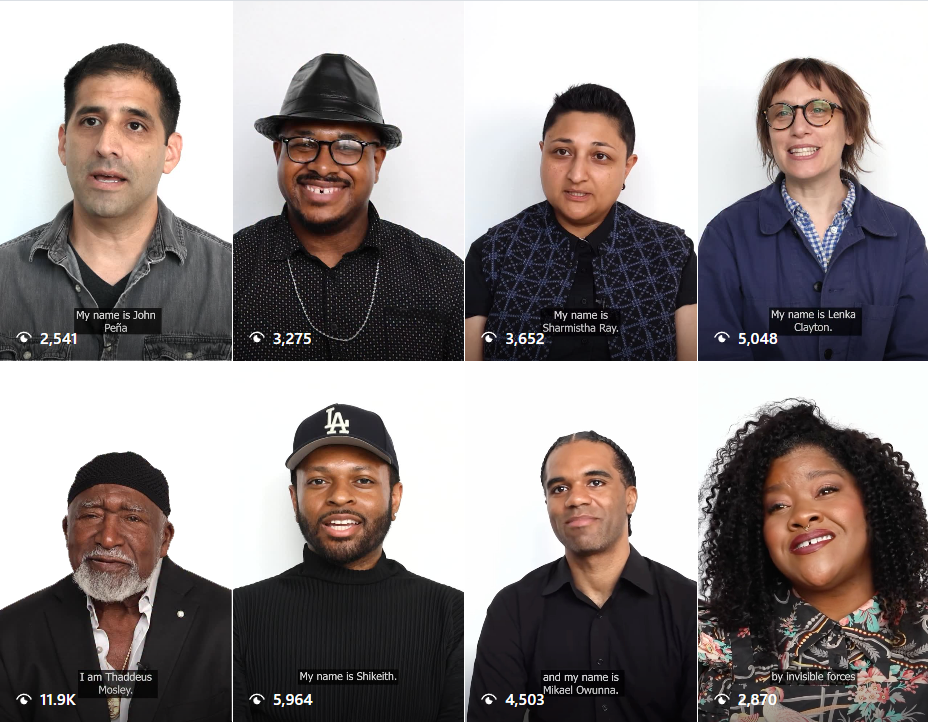
The Senior Archivist at the museum reached out to us for post-production support on an oral history project featuring 25 interviews, capturing first-person perspectives on the museum across multiple Kansas City communities. The museum archives plays an important role in preserving the institution’s history, documenting its origins, growth, and relationship with the community. The oral history project brings together a wide range of voices to create a nuanced record of the museum’s history and its role in the city.
To explore its archives, visit https://nelson-atkins.org/learn/library/explore-the-archives/.
Primary Goal
The Nelson-Atkins Museum of Art wanted to make 25 oral history interviews as accessible as possible though robust transcripts and metadata.
Work & Results
The oral history interviews feature a wide range of perspectives, experiences, backgrounds, and cultures. Each interview runs approximately 60 minutes and includes multiple speakers discussing topics ranging from childhood and family experiences to perspectives on the museum.
We partnered with the Senior Archivist to design the post-production workflow—including a transcription process—focused on preserving as much of the original context of the recordings as possible. This resulted in a practical, reusable style guide for creating, reviewing, and editing the transcripts. We also provided hands-on support throughout post-production, carefully reviewing and editing each transcript according to the style guide.
Oral History and Transcription
Transcription is an important part of the oral history process, but getting it right can be difficult. Oral history methods emphasize deep listening, asking open-ended questions, maintaining transparency, and above all, fostering trust between interviewer and participant. This means a transcript should stay as true as possible to the original recording. It should reflect natural speech patterns—like false starts, pauses, and incomplete sentences—while still being clear and readable for future users.
Oral histories also often include elements like crosstalk, gestures, laughter, feedback words (e.g., “mm-hmm”), sarcasm, and neologisms. Capturing these verbal and nonverbal cues in a transcript can be challenging. While AI-powered transcription tools are increasingly common, many projects still depend on human-created transcripts—or at least human review—because current tools can’t fully capture these details yet.
In addition to reviewing and editing transcripts, we cataloged the interviews for the museum archives according to archival standards and best practices. This included developing biographical statements for each participant and drafting concise summaries for each interview.
The primary outcome of the project is a thorough set of transcripts—created in line with oral history best practices—that will make all 25 interviews more accessible to future users. Our work also produced robust metadata and descriptions for each interview, helping ensure they can be easily discovered and accessed through a digital collections website in the future.
Conclusion
A key takeaway from this case is the importance of creating accurate, nuanced transcripts for oral history. Careful attention to detail ensures that the final transcript reflects the original recording faithfully, while still being readable by future users.
Developing a style guide tailored to the project’s specific needs also made a big difference. It allowed us to review and edit a wide range of transcripts consistently while maintaining a high standard of accuracy. It also helped simplify decision making and clarify how to handle unique elements such as feedback words and crosstalk.
Once the broader initiative is complete, the oral histories will be made available online through a new digital collection, expanding access and creating new opportunities for engagement with the interviews.
It was a pleasure collaborating with the Senior Archivist and the museum on this project, and we’re excited to see how this collection will be used in the future.
Do you have an oral history project in mind?
Oral history is a powerful way to capture lived experiences and personal perspectives, and it’s something we care deeply about. We're happy to answer questions and help you get started.